



Contractor’s Guide to Buying Steel
Contractor’s Guide to Buying Steel
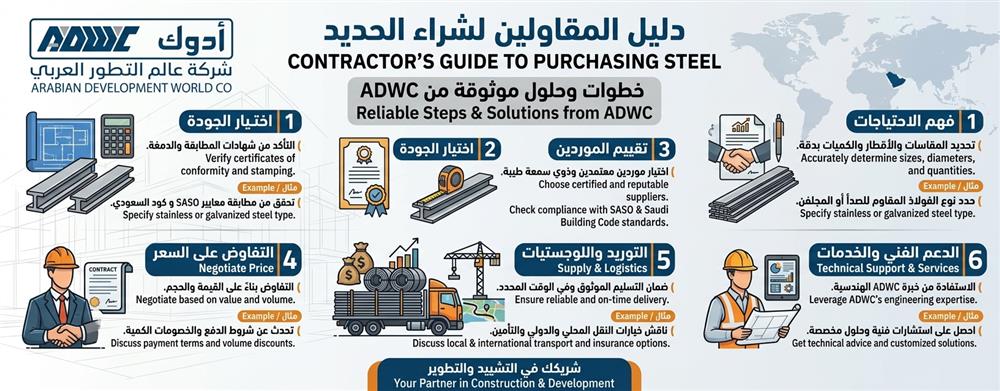
Buying steel is one of the most important purchasing decisions for contractors because it directly affects project cost, quality, and construction schedules. Contractors need to select the right steel products, quantities, sizes, quality specifications, and supplier before placing an order.
1. Identify the Required Steel Type
Before purchasing steel, contractors should review the project drawings and specifications to determine the required products, including:
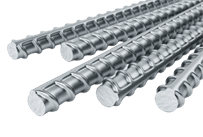
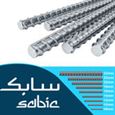
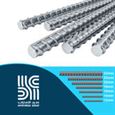
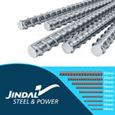
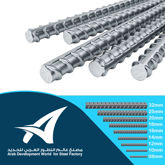
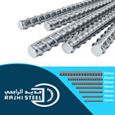
- Reinforcing steel bars.
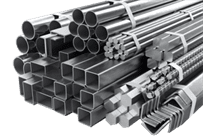
- Steel angles.
- Steel beams.
- Steel channels.
- Steel pipes.
- Steel plates and sheets.
2. Determine Sizes and Quantities
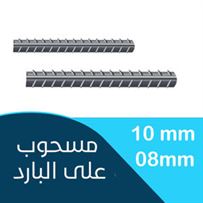
Accurate quantity planning is essential before placing a steel order. Contractors should identify rebar diameters, required lengths, number of pieces, total weight, and commercial steel sizes.
Proper quantity planning helps reduce waste and prevents steel shortages during construction.
3. Check Steel Quality and Specifications
Steel quality is one of the most important factors when purchasing construction materials. Contractors should verify that the products meet the project specifications and obtain technical documents or quality certificates when required.
4. Choose a Reliable Steel Supplier
Price should not be the only factor when selecting a steel supplier. Contractors should also consider product quality, availability, supply capacity, delivery schedules, transportation services, and supplier reliability.
5. Compare Steel Prices
When comparing quotations, contractors should consider the total purchasing cost rather than the price per ton alone. The comparison should include steel price, transportation, payment terms, delivery schedule, and product specifications.
6. Plan Steel Deliveries
Scheduling steel deliveries according to the construction phases can help reduce storage costs, improve cash flow, and ensure that the required materials are available when needed.
7. Inspect Steel Upon Delivery
Every shipment should be inspected when it arrives at the project site. Contractors should verify the steel type, sizes, quantities, weight, physical condition, manufacturer information, and required documents.
8. Store Steel Properly
Steel should be stored in a suitable location and kept off the ground using appropriate supports. Different sizes and types should be organized clearly to make identification and handling easier.
9. Common Steel Purchasing Mistakes
- Choosing a supplier based only on price.
- Ordering quantities without reviewing project drawings.
- Failing to verify steel specifications.
- Ignoring transportation costs.
- Failing to inspect deliveries.
- Poor delivery planning.
- Improper steel storage.
10. Steel Supply for Contractors
Arab Development World Company provides steel supply solutions for contractors and construction projects, offering reinforcing steel and commercial steel in various sizes and quantities.
If you are looking for a steel supplier in Riyadh or require steel for your construction project, contact Arab Development World Company to inquire about available products, quantities, and prices.
Conclusion
Proper steel purchasing helps contractors control project costs, reduce waste, maintain material quality, and avoid construction delays. Contractors should therefore consider quality, specifications, quantities, total cost, delivery schedules, and supplier reliability before purchasing steel.
.png)
- السجل التجاري : 1010298801
- الرقم الضريبي : 300438467100003