



Rebar Sizes and Uses Guide | Arab Development World

Rebar Sizes and Uses Guide
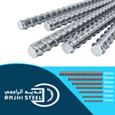
Choosing the right rebar size is an important part of any construction project. Reinforcing steel bars are available in different diameters, and each size may be used for different structural applications depending on the engineering design, loads, concrete strength, and project requirements.
This guide explains the most common rebar sizes from 8mm to 32mm and their typical uses in construction projects.
What Are Rebar Sizes?
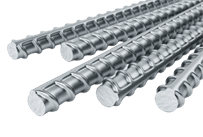
Rebar size refers to the diameter of the reinforcing steel bar, usually measured in millimeters (mm).
Common rebar diameters include:
8mm rebar
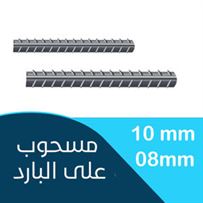
10mm rebar
12mm rebar
14mm rebar
16mm rebar
18mm rebar
20mm rebar
22mm rebar
25mm rebar
28mm rebar
32mm rebar
The required diameter and quantity should always be determined according to the approved structural drawings and engineering calculations.
Common Rebar Sizes and Their Uses
8mm Rebar
8mm reinforcing steel is commonly used for light reinforcement applications, including:
Stirrups in certain concrete elements.
Secondary reinforcement.
Light concrete structures.
Reinforcement mesh and tying applications where specified by the design.
10mm Rebar
10mm rebar is commonly used for light to medium reinforcement applications, such as:
Stirrups.
Secondary reinforcement in slabs.
Small concrete elements.
Reinforcement mesh according to structural drawings.
12mm Rebar
12mm rebar is one of the commonly used reinforcement sizes in construction. Typical applications include:
Concrete slabs.
Secondary and structural reinforcement.
Walls and concrete elements.
Additional reinforcement where required by the structural design.
14mm Rebar
14mm rebar can be used in structural elements that require greater reinforcement than smaller diameters, including:
Beams.
Slabs.
Columns where specified.
Foundations and other reinforced concrete elements.
16mm Rebar
16mm rebar is widely used in reinforced concrete construction. Common applications include:
Columns.
Beams.
Foundations.
Concrete slabs.
Structural elements requiring higher reinforcement capacity.
18mm Rebar
18mm reinforcing steel is commonly used in structural elements requiring larger reinforcement areas, such as:
Columns.
Main beams.
Foundations.
Structural elements subject to higher loads.
20mm Rebar
20mm rebar is commonly used in major structural elements, including:
Columns.
Main beams.
Foundations.
Heavy-duty reinforced concrete structures.
22mm Rebar
22mm rebar is suitable for structural applications requiring a larger amount of reinforcement, including:
Columns.
Main beams.
Foundations.
Heavy-load structural elements.
25mm Rebar
25mm rebar is considered a relatively large reinforcement diameter and is commonly used in:
Large columns.
Foundations.
Main beams.
Structural elements carrying significant loads.
28mm and 32mm Rebar
28mm and 32mm rebar are generally used for heavy structural applications where higher reinforcement capacity is required, such as:
Large columns.
Heavy foundations.
Major beams.
Industrial projects.
Infrastructure projects.
Large reinforced concrete structures.
The exact application must always follow the structural design and applicable construction standards.
Rebar Sizes and Uses Table
| Rebar Size | Common Applications |
|---|---|
| 8mm | Stirrups, light and secondary reinforcement |
| 10mm | Stirrups and secondary reinforcement |
| 12mm | Slabs and light to medium concrete elements |
| 14mm | Slabs, beams and structural elements |
| 16mm | Columns, beams, foundations and slabs |
| 18mm | Columns, beams and foundations |
| 20mm | Main columns, beams and foundations |
| 22mm | Structural elements requiring higher reinforcement |
| 25mm | Large columns, foundations and main beams |
| 28mm | Heavy structural elements |
| 32mm | Large structures and high-load structural elements |
How to Choose the Right Rebar Size
Rebar diameter should not be selected based only on the building size or the area of the project.
The correct rebar size and quantity are determined according to the structural design and should take into account:
Type of structural element.
Loads acting on the element.
Concrete strength.
Reinforcing steel grade.
Dimensions of the concrete element.
Applicable building codes and specifications.
Reinforcement spacing and detailing.
Required concrete cover.
Required bar lengths and total reinforcement quantity.
Does a Larger Rebar Size Mean Better Reinforcement?
Not necessarily.
Using a larger diameter does not automatically make a structure safer. Structural engineers determine the appropriate rebar diameter, number of bars, spacing, and arrangement based on engineering calculations.
For this reason, rebar sizes should not be changed without consulting the structural engineer responsible for the project.
Rebar Size and Weight
The diameter of a reinforcing bar directly affects its weight per meter. As the diameter increases, the weight of the bar also increases.
A commonly used approximate formula for calculating the theoretical weight of rebar is:
Weight per meter (kg/m) ≈ Diameter² ÷ 162
For example:
16mm Rebar
16 × 16 ÷ 162 ≈ 1.58 kg/m
20mm Rebar
20 × 20 ÷ 162 ≈ 2.47 kg/m
This explains why the total weight of steel changes significantly when different rebar diameters are used.
Tips for Buying Rebar
Before purchasing reinforcing steel for a construction project, it is recommended to check:
Rebar diameters against the approved structural drawings.
Steel grade and technical specifications.
Required quantities and weights.
Quality and conformity certificates when required.
The physical condition of the steel.
Availability of the required sizes.
Supplier reliability and delivery capabilities.
Price based on weight, specifications, and quality rather than price alone.
Buying Rebar in Riyadh
If you are looking for rebar in Riyadh, Arab Development World Company provides steel supply solutions for contractors, construction companies, and individual customers.
The company supplies different rebar sizes and commercial steel products to meet the requirements of construction projects.
Our sales team can help customers identify the required quantities and sizes based on the project's approved material list, structural drawings, or bill of quantities.
Conclusion
Rebar sizes vary according to the structural requirements of each construction project. Smaller sizes such as 8mm and 10mm are commonly used for stirrups and secondary reinforcement, while larger sizes such as 16mm, 20mm, 25mm, and 32mm are used in many major structural elements depending on the engineering design.
The correct choice is not simply the largest rebar size. Safe and efficient construction depends on the approved structural design, correct reinforcement detailing, steel quality, and compliance with applicable standards.
Important: The applications mentioned in this guide are common examples and should not be considered fixed design rules. The required rebar diameter, quantity, spacing, and arrangement must be determined by a qualified structural engineer according to the approved project design and applicable building codes.
.png)
- السجل التجاري : 1010298801
- الرقم الضريبي : 300438467100003